Tire Pressure Warning light is on. Now what?
Tire Pressure Warning
The tire light on your dashboard—often called the TPMS light or tire pressure warning light—is one of the most common dashboard indicators drivers encounter. Shaped like a yellow or amber horseshoe (cross-section of a tire) with an exclamation point in the center, it alerts you to potential issues with your vehicle's tire pressure. Ignoring it can lead to reduced fuel efficiency, uneven tire wear, poor handling, or even dangerous blowouts.
This guide explains what the tire light means, why it comes on, how to address it safely, and steps to reset it for optimal performance.

What Does the Tire Light (TPMS Warning) Mean?
The Tire Pressure Monitoring System (TPMS) is a safety feature required in most vehicles sold in the U.S. since 2008. It uses sensors to monitor air pressure in your tires and sends data to your car's computer. When pressure drops significantly—typically 25% below the manufacturer's recommended level—the tire light illuminates.
A solid (steady) light usually means one or more tires are underinflated (or occasionally overinflated). This is the most common scenario and often easy to fix.
A flashing or blinking light typically indicates a malfunction in the TPMS itself, such as a faulty sensor, dead battery in a sensor, or system error. In this case, the system can't reliably monitor pressure, so professional diagnosis is needed.
Some vehicles display more detailed icons, like which specific tire is low (e.g., front right), or show actual PSI readings on the dashboard screen.
Common Causes of the Tire Light Coming On
Low Tire Pressure — The #1 reason. Tires lose air naturally over time (about 1-2 PSI per month), and small leaks from punctures, valve stem issues, or damage accelerate this. Cold weather is a big trigger—tire pressure drops about 1 PSI for every 10°F decrease in temperature, so the light often appears in fall or winter mornings.
Temperature Fluctuations — Seasonal changes cause pressure swings. Tires checked "cold" (after sitting overnight) should match the door jamb sticker's recommended PSI.
Overinflation — Less common, but excessive pressure can also trigger the system in some vehicles.
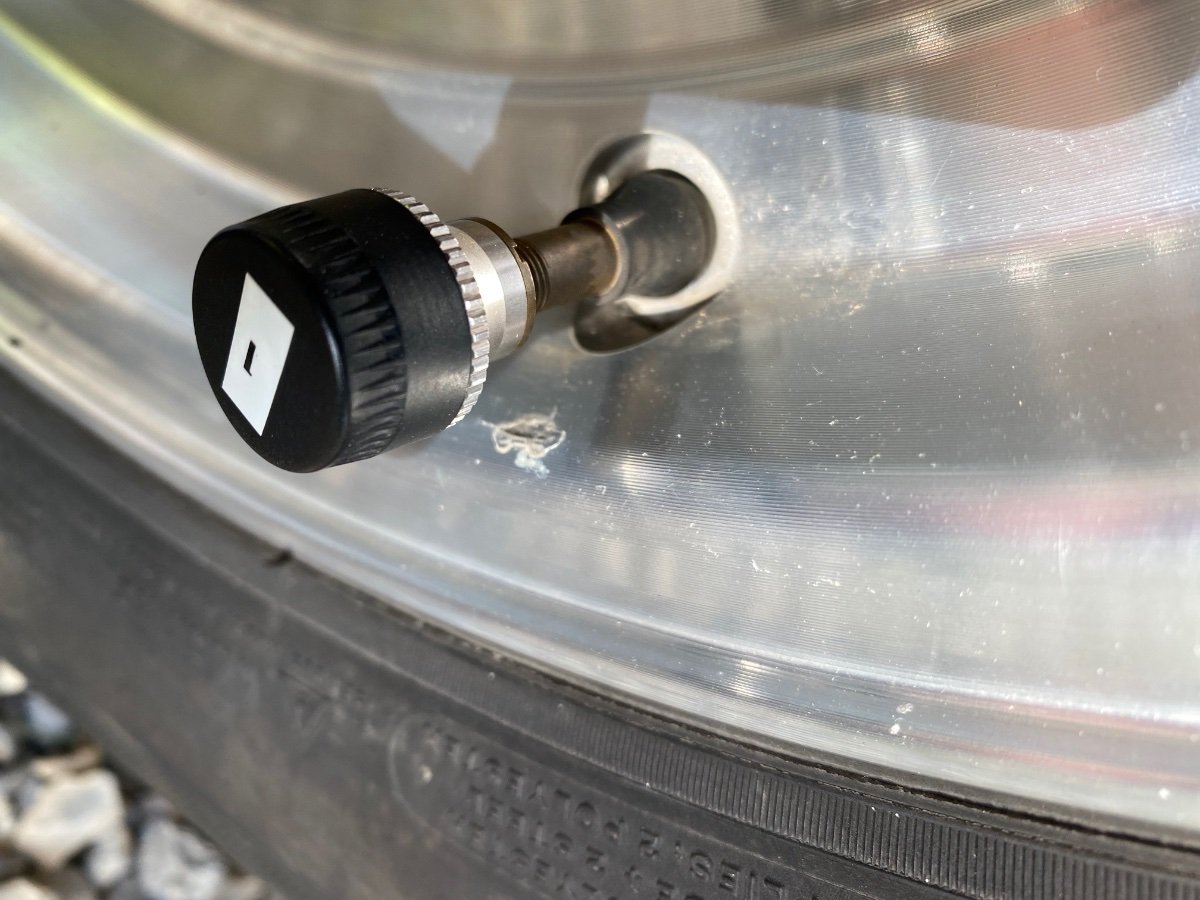
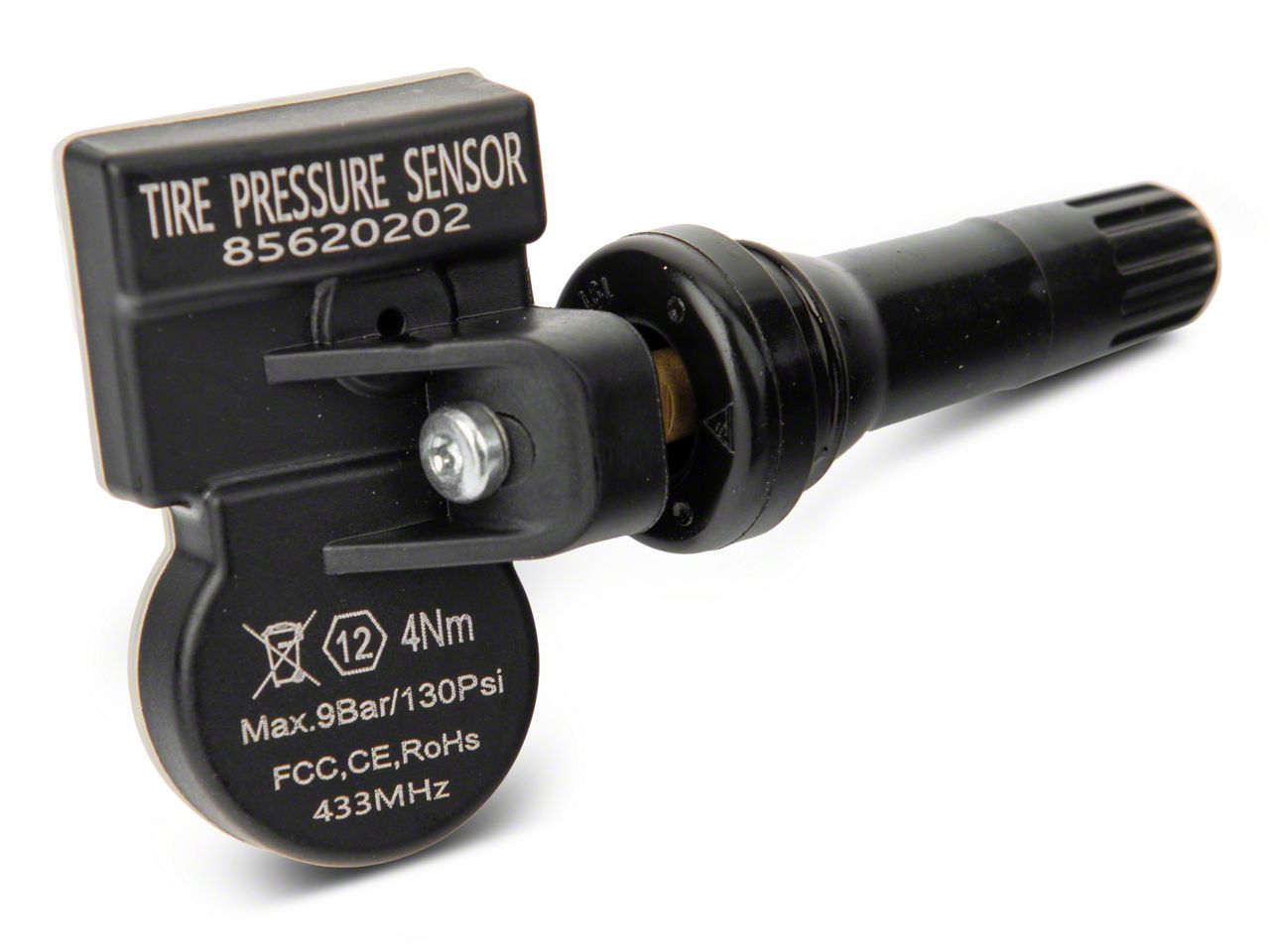
TPMS Sensor Problems — Sensors (usually in the valve stem) have batteries that last 5-10 years. They can fail due to corrosion, damage during tire changes, or age, causing a malfunction light.
Recent Tire Work — Rotating tires, changing wheels, or installing new tires can require a TPMS "relearn" or reset. If skipped, the light may stay on.
Other Issues — A weak car battery, damaged wiring, or indirect TPMS systems (which use wheel speed sensors instead of direct tire sensors) miscalibrating.
What to Do When the Tire Light Comes On
Don't panic, but don't ignore it—address it promptly for safety.
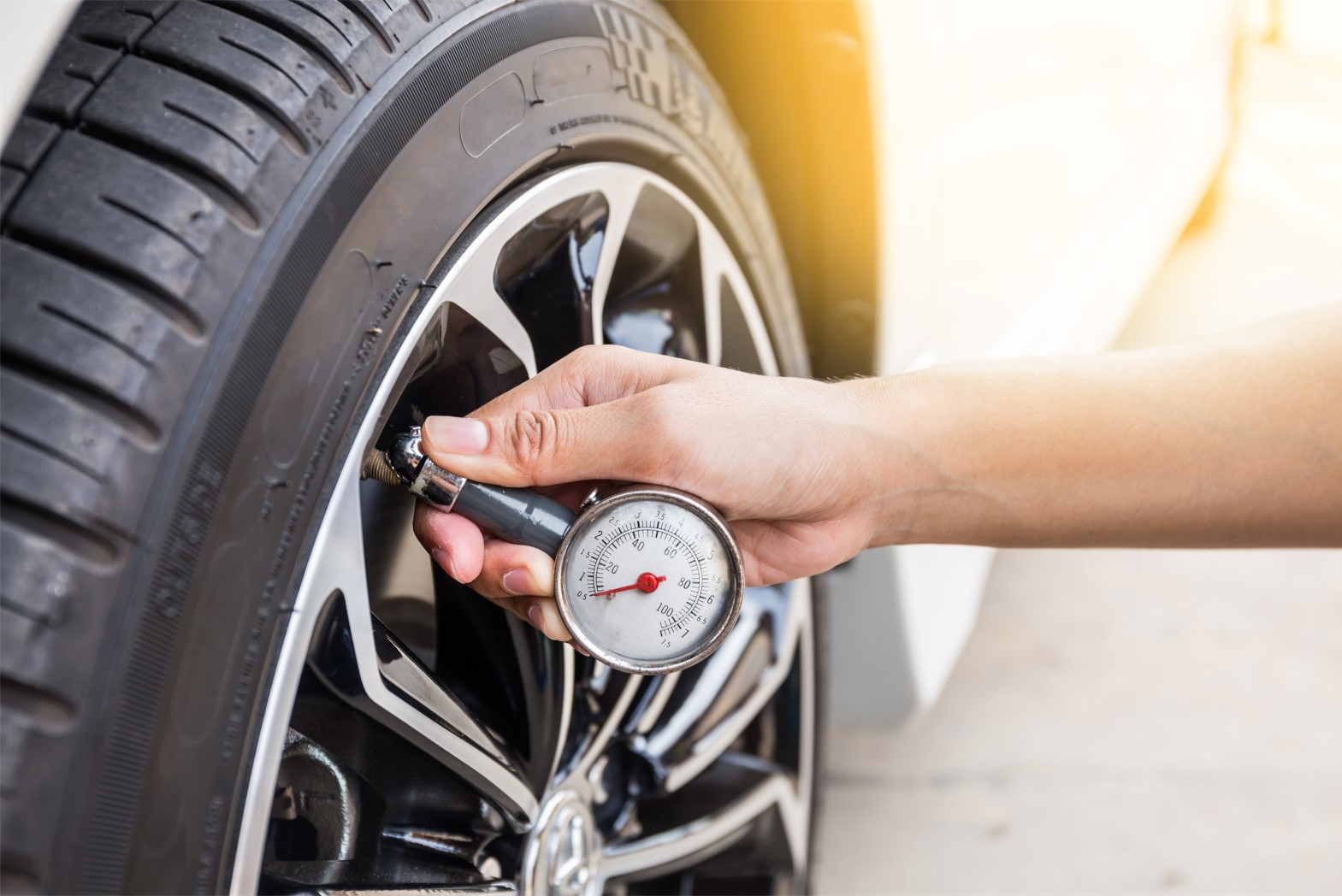
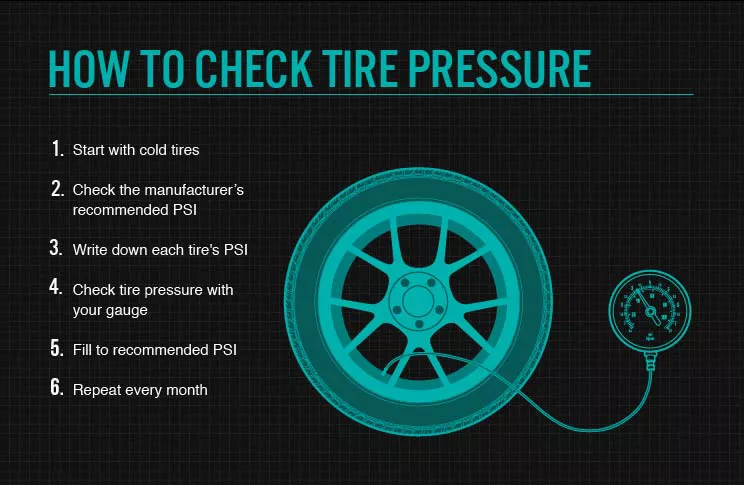
Find a Safe Spot and Check Pressures — Pull over when possible. Use a reliable tire pressure gauge (digital or analog) to measure each tire, including the spare if equipped. Check when tires are cold (not driven for at least 3 hours) for accuracy.
Locate your vehicle's recommended PSI on the driver's door jamb sticker or in the owner's manual (not the tire sidewall max PSI—that's the absolute maximum, not ideal).
Typical range: 30-35 PSI for cars, higher for trucks/SUVs.
Inflate if Needed — Use an air compressor at a gas station or home pump. Add air in small bursts, recheck, and aim for the exact recommended level. Overfilling can be as bad as underfilling.
Inspect for Damage — Look for nails, cuts, bulges, or leaks. If you find a puncture, get it repaired or replaced immediately.
Drive and Observe — After correcting pressure, drive a short distance (often 10-20 minutes at highway speeds >30-50 mph). Many systems auto-reset once pressures stabilize.
Reset if Necessary — If the light stays on after proper inflation:
Check for a TPMS reset button (often under the steering wheel or in the glovebox). Turn ignition to "On" (don't start engine), hold the button until the light blinks (usually 3 times), then drive to complete relearn.
Some vehicles reset via the infotainment menu (Settings > Vehicle > TPMS).
Others require driving at speed for 10-20 minutes.
Consult your owner's manual for model-specific steps—procedures vary by make (e.g., Honda, Hyundai, Ford).
When to Seek Professional Help
The light flashes or stays on after inflation/reset.
You suspect a sensor failure (common after 5+ years or tire service).
You hear air leaking or see visible damage.
The light returns frequently despite checks.
A mechanic or tire shop can scan for TPMS codes, test sensors, and replace faulty ones (cost: $50-200 per sensor plus labor). They can also perform a full TPMS relearn if needed.
Prevention Tips for Avoiding the Tire Light
Check tire pressure monthly and before long trips (cold tires).
Maintain proper inflation for better fuel economy (up to 3% savings), longer tire life, and safer driving.
Rotate tires every 5,000-8,000 miles and have TPMS sensors checked during service.
Replace sensors proactively around 7-10 years or when changing tires.
Understanding and responding to the tire light keeps you safe and your vehicle performing at its best. It's a simple yet powerful reminder from your car—pay attention, and you'll avoid bigger problems down the road.