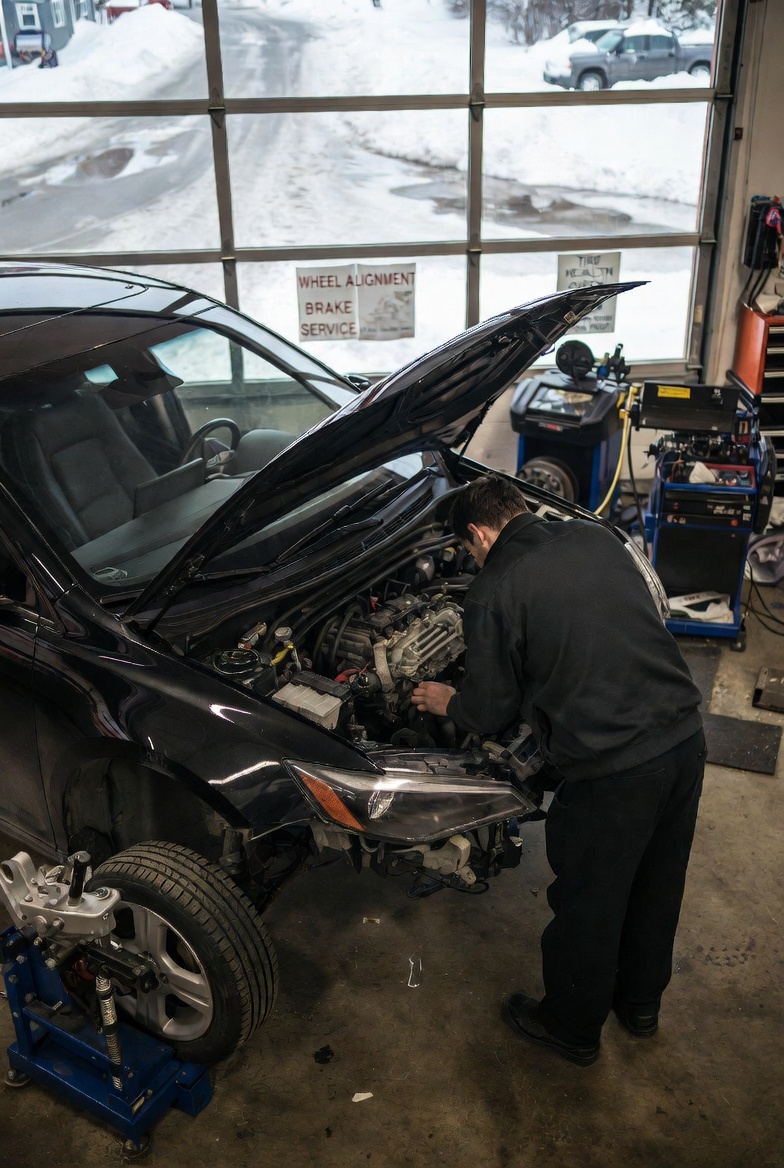
The Importance of Regular Vehicle Maintenance: A Guide for Drivers in New Hampshire
Comprehensive Car Maintenance and Winter Tire Safety NH Guide
Living in New Hampshire means dealing with distinct seasons that put real stress on your vehicle. From heavy winter snow and road salt to humid summers and sudden temperature swings, our cars face challenges year-round. Staying on top of maintenance isn't just about avoiding breakdowns—it's about safety, efficiency, and extending the life of your vehicle. In this post, we'll explore why routine care matters, common issues that arise (especially in our region), and practical steps you can take to keep your car running smoothly.
Why Maintenance Matters More Than You Might Think
Modern vehicles are complex machines with thousands of parts working together. Over time, normal wear, environmental factors, and driving habits cause components to degrade. Ignoring small issues often leads to bigger, more expensive problems later.
For example, properly maintained tires and suspension improve handling and fuel economy. Neglected brakes or alignment can compromise stopping power and increase the risk of accidents, especially on icy or wet roads common in New Hampshire.
Regular maintenance also helps with state requirements. While New Hampshire eliminated mandatory safety inspections in recent years, many drivers still value knowing their vehicle meets basic safety standards. Catching problems early through checks prevents surprises during daily use or longer trips.
Key Areas to Focus On: Brakes
Brakes are one of the most critical safety systems in any vehicle. In New Hampshire's variable weather—rain, snow, ice—reliable braking is non-negotiable.
Common signs that brakes need attention include:
Squealing or screeching noises when applying the pedal. This often comes from built-in wear indicators on the pads signaling it's time for replacement.
Grinding sounds, which suggest the pads are worn down completely, allowing metal to contact the rotors (this can damage rotors quickly and lead to costly repairs).
Vibrating or pulsating pedal/steering wheel during braking, frequently indicating warped rotors from heat buildup or uneven wear.
Soft or spongy pedal that sinks farther than usual, possibly due to air in the lines, low fluid, or a leak.
Brake warning light on the dashboard, which could point to low fluid, worn pads, or other issues.
Brake fluid absorbs moisture over time, reducing effectiveness and potentially causing corrosion. Regular inspections and fluid flushes help maintain performance. Addressing these early keeps stopping distances short and prevents more extensive damage to calipers, rotors, or hydraulic systems.
Wheel Alignment and Tire Health
Wheel alignment—adjusting the angles of the wheels so they make optimal contact with the road—is often overlooked until problems become obvious.
Misalignment happens from hitting potholes (plentiful after New Hampshire winters), curbs, or even normal wear on suspension parts. When wheels aren't aligned:
Tires wear unevenly and prematurely, costing more in replacements.
The vehicle pulls to one side, making steering tiring on long drives.
Fuel efficiency drops because of increased rolling resistance.
Handling feels loose, especially at highway speeds or in adverse conditions.
Signs of alignment issues include uneven tire tread wear (check inner vs. outer edges), steering wheel off-center when driving straight, or vibrations. Getting an alignment after new tires, suspension work, or noticeable drifting helps ensure even wear and better control.
Tires themselves deserve attention in our climate. Winter tires provide better traction on snow and ice, while proper inflation prevents blowouts in summer heat. Regular rotations, balancing, and pressure checks (monthly is ideal) extend tire life significantly.
Engine and Routine Care
The engine is the heart of the vehicle, and small habits make a big difference.
Oil changes keep the engine lubricated and clean. In New Hampshire's cold starts and stop-and-go traffic, fresh oil prevents sludge buildup.
Fluid checks (coolant, transmission, brake, power steering) catch leaks early.
Filter replacements (air, cabin, fuel) maintain performance and air quality inside the car.
Tune-ups and diagnostics address spark plugs, belts, hoses, and sensors before they fail.
The check engine light is easy to ignore, but it often signals emissions, sensor, or efficiency issues. Modern vehicles store diagnostic trouble codes that a scan tool can read to pinpoint problems accurately.
In colder months, battery performance drops—cold reduces cranking power, and salt corrosion affects connections. Testing batteries and cleaning terminals prevents stranding.
Suspension, Steering, and Exhaust Considerations
Suspension and steering components absorb road imperfections. Worn shocks, struts, or tie rods lead to bouncy rides, poor handling, and accelerated tire wear. In New Hampshire, potholes and frost heaves accelerate this wear.
Exhaust systems face rust from road salt. Leaks or damaged mufflers/catalytic converters affect emissions, noise, and fuel economy. Early detection prevents more invasive (and expensive) repairs.
Air conditioning and heating systems also matter for comfort and defrosting in winter. Low refrigerant or clogged components reduce performance when you need it most.
Seasonal Tips for New Hampshire Drivers
Winter prep: Switch to winter tires, check battery, test antifreeze strength, and inspect wipers/blades.
Spring thaw: Watch for pothole damage—get alignment and suspension checked after winter.
Summer heat: Monitor tire pressure (it rises with temperature), ensure cooling system is ready, and watch for AC issues.
Year-round: Keep up with oil/fluid levels, listen for unusual noises, and address dashboard warnings promptly.
Final Thoughts
Maintaining your vehicle is an investment in safety, reliability, and cost savings. By paying attention to warning signs and scheduling regular checks, you avoid many common headaches that drivers face in our region.
Whether it's addressing brake noises before they turn into grinding, correcting alignment to preserve tires, or keeping up with basic fluids and filters, these steps help your car perform better and last longer.
If something feels off—pulling, strange sounds, lights on the dash—don't wait. A professional inspection provides clarity and peace of mind. Safe driving starts with a well-cared-for vehicle, especially on New Hampshire's challenging roads.